

What Is Fortified Roofing and Is It Worth It for Tennessee Homeowners?
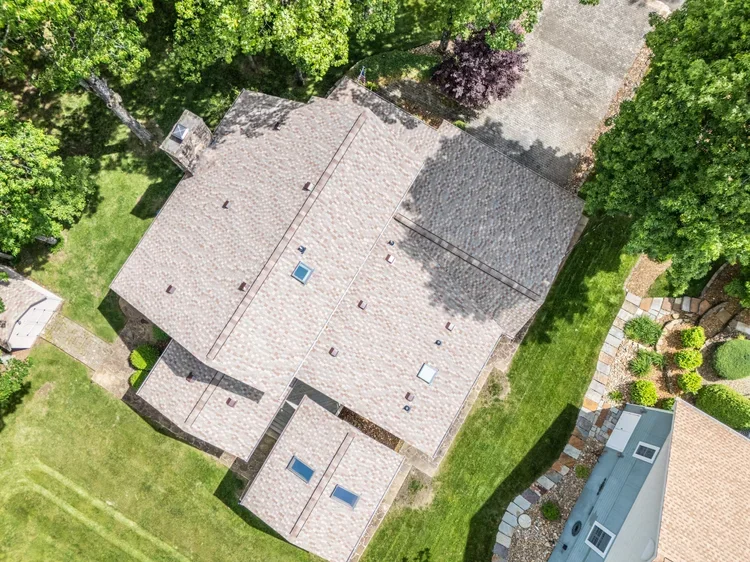
If you've been researching roofing upgrades lately, you may have come across the term "Fortified Roofing" and wondered what it actually means — and whether it's something worth investing in for your Tennessee home. With unpredictable weather patterns, heavy storms, and hail events regularly hitting communities across Upper Cumberland and East Tennessee, more homeowners are asking this exact question.
In this guide, Jeff Woods Construction & Roofing breaks down everything you need to know about Fortified Roofing — what it is, how it works, who certifies it, and most importantly, whether it's the right investment for your home.
What Is Fortified Roofing?
Fortified Roofing is a construction standard developed by the Insurance Institute for Business & Home Safety (IBHS). The IBHS created the FORTIFIED Home™ program to help homeowners build or upgrade their roofs to withstand severe weather events — including high winds, hail, and hurricanes — better than a standard code-built roof.
It's not just a product or a brand of shingles. It's a system of standards and installation practices that, when followed correctly and verified by a certified evaluator, earns your roof an official FORTIFIED designation.
There are three levels of FORTIFIED certification:
FORTIFIED Roof™ — The foundation level. This focuses entirely on the roof system and is the most common entry point for homeowners.
FORTIFIED Silver™ — Adds protection for the walls and openings of the home.
FORTIFIED Gold™ — The highest level, covering the entire structure including the foundation connection.
For most Tennessee homeowners, the FORTIFIED Roof™ designation is where the conversation starts and where the biggest value lies.
How Is a Fortified Roof Different From a Standard Roof?
A standard roof replacement, even a good one, is built to meet local building codes. Building codes set the minimum requirements — they're the floor, not the ceiling. A Fortified Roof goes significantly beyond that minimum.
Here's what makes a Fortified Roof different in practice:
1. Sealed Roof Deck
One of the most critical differences is the sealed roof deck. In a Fortified Roof, all the joints and edges of the roof deck are sealed with a qualifying foam adhesive or tape. This prevents water from entering the home even if shingles are blown off during a storm. Want to understand more about what lies beneath your shingles? Read our guide: What Goes Under Shingles on a Roof? A Complete Guide
2. Enhanced Roof-to-Wall Connection
Fortified Roofing standards require stronger connections between the roof structure and the walls of your home. This significantly reduces the risk of your roof lifting or separating from the structure during high-wind events — something that causes catastrophic damage in major storms.
3. Impact-Resistant or Wind-Rated Shingles
Not just any shingles qualify for Fortified certification. The program requires shingles that meet specific wind and impact ratings, tested under rigorous conditions to ensure they hold up in real-world severe weather. For a deeper look at how different materials perform in Tennessee's climate, check out our Roofing Materials Guide: Best Roof Types for Tennessee Climate
4. Proper Drip Edge Installation
Fortified standards require a properly installed drip edge at all eaves and rakes — a detail often skipped on standard installations that prevents water from infiltrating under the shingles at the roof's edges.
5. Third-Party Verification
A Fortified Roof isn't self-certified. An independent, IBHS-approved evaluator inspects the installation and verifies that every standard has been met before the designation is awarded. This is what gives the certification real credibility.
Why Does Fortified Roofing Matter in Tennessee?
Tennessee regularly experiences severe thunderstorms, hailstorms, high winds, heavy ice and snow loads, and dramatic temperature swings that cause thermal expansion and contraction in roofing materials. Standard roofs handle these conditions adequately most of the time — but when a major storm rolls through, a Fortified Roof is far more likely to stay intact and keep your home dry.
Is Fortified Roofing Worth the Investment?
The Cost
A Fortified Roof typically costs 7–30% more than a standard roof replacement depending on the scope of upgrades needed. To understand what a standard replacement costs in Tennessee first, see our Roofing Cost Guide for Tennessee Homes
The Insurance Benefits
Many insurance companies offer significant premium discounts for homes with a FORTIFIED Roof™ designation — some homeowners see savings of 20–30% on their annual premiums. And if your home does sustain storm damage, a Fortified Roof typically means less total damage and lower out-of-pocket costs.
The Long-Term Protection
A Fortified Roof simply performs better over time. The sealed deck, enhanced connections, and superior materials mean fewer repairs, fewer leaks, and greater peace of mind through every storm season.
The Home Value Angle
A Fortified Roof certification is a documented, verifiable upgrade that adds real value when it comes time to sell. Buyers — especially those who've lived through storm damage — recognize and appreciate it. Read more: Boost Your Home's Value with a New Roof or Deck in Tennessee
Who Should Consider Fortified Roofing?
Fortified Roofing is a strong consideration if any of the following apply to you:
You live in an area of Tennessee that regularly experiences high winds, hail, or severe storms
You're already planning a full roof replacement and want to maximize your investment
You're looking for ways to reduce your homeowner's insurance premium
You plan to stay in your home long-term and want lasting protection
You've had ongoing roof leak issues and want a system designed to stay watertight under extreme conditions
How Do You Get a Fortified Roof?
The process involves three key steps:
Work with a contractor who understands FORTIFIED standards — Not every roofing contractor is familiar with IBHS requirements. You need a team that knows exactly what materials, techniques, and documentation the program requires.
Installation to FORTIFIED specifications — Every detail matters: the sealed deck, the drip edge, the shingle ratings, and the fastener patterns all have to meet program requirements.
Third-party evaluation — Once installation is complete, a certified IBHS evaluator inspects the work and, if everything passes, issues the official FORTIFIED Roof™ designation.
At Jeff Woods Construction & Roofing, we understand what it takes to meet these standards and can walk you through the entire process from start to finish.
Fortified Roofing Across Tennessee: Where We Serve
We provide Fortified Roofing services across a wide range of Tennessee communities. Whether you're in Crossville, Cookeville, Knoxville, Farragut, Clarkrange, Fairfield Glade, Jamestown, Harriman, Kingston, Livingston, Loudon, Monterey, Sparta, Lake Tansi, Oak Ridge, Crab Orchard, or Rockwood— we serve homeowners across the region with the same commitment to quality and craftsmanship.
Visit our Fortified Roofing in Tennessee page to learn more about our services in your specific area.
Final Verdict: Is It Worth It?
For most Tennessee homeowners already planning a roof replacement, the answer is yes — especially when you factor in the insurance savings, long-term performance, and added home value. The upfront premium is real, but so is the payoff.
The bottom line: a Fortified Roof isn't just a product upgrade — it's a smart, long-term investment in your home's safety, resilience, and value. And in Tennessee, where the weather doesn't take days off, that kind of protection is worth having.
Ready to Upgrade to a Fortified Roof?
The team at Jeff Woods Construction & Roofing is here to answer every question and guide you through the entire process — from your first inspection to your official FORTIFIED designation. Don't wait for the next storm to find out if your roof is ready.
