

Stationary Screen Rooms: Benefits, Materials, and Installation Tips
Stationary screen rooms are fixed, permanent screen enclosures designed to enhance outdoor living by providing insect protection, privacy, and ventilation. Homeowners commonly install these robust screening systems on porches, patios, and decks to create comfortable and functional outdoor spaces throughout the year. Trusted sources like Jeff Woods Construction emphasize quality materials and proper installation for lasting performance.
This guide explores the benefits, material choices, installation steps, and maintenance advice for stationary screen rooms.
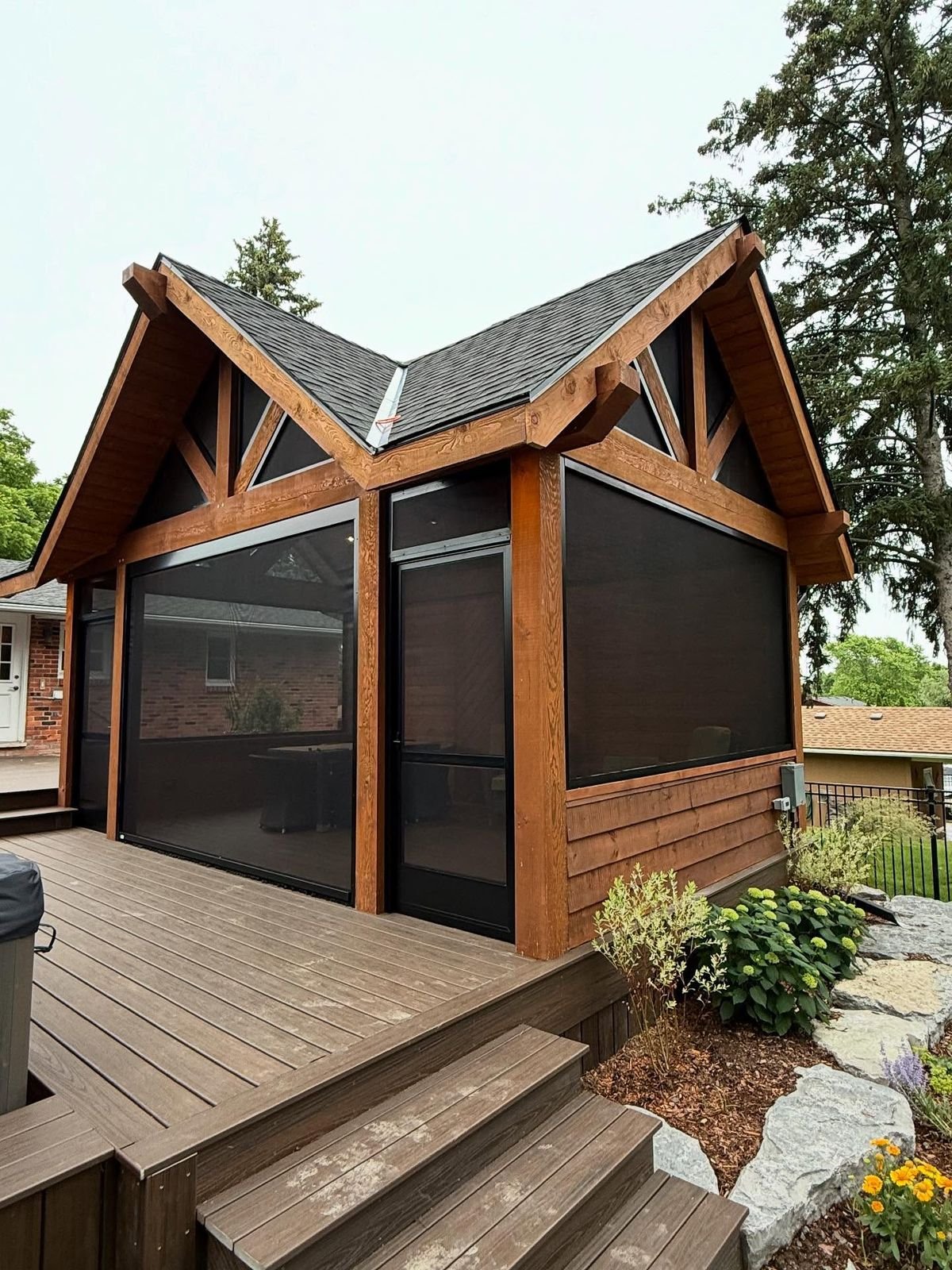
Benefits of Stationary Screen Rooms
Insect and Pest Protection
A significant advantage of stationary screen rooms is creating a barrier that keeps mosquitoes, flies, and other pests out — especially useful in warmer months.
Enhanced Privacy
Stationary screen rooms can improve privacy at your home while preserving natural light and airflow.
Durability and Longevity
Compared with temporary or retractable screens, stationary screen rooms are built for permanence and withstand regular use and varying weather conditions.
Comfortable Outdoor Living
By allowing airflow without letting debris or pests in, screen rooms let homeowners enjoy fresh air with protection and comfort.
Materials Commonly Used
Aluminum framing: Lightweight, rust‑resistant, and low‑maintenance
Fiberglass mesh: Flexible and durable, often used in residential screens
Vinyl‑coated steel mesh: Extra strength and durability in harsher weather conditions
Choosing the right materials influences both the performance and appearance of your screen room over time.
Installation Tips for Stationary Screen Rooms
Proper Framing
A sturdy frame is essential to support stationary screens. Make sure the framing system is level and well‑anchored to prevent sagging or gaps.
Accurate Measurements
Precise measurements of openings help ensure the mesh fits snugly and functions as intended without excessive cutting or waste.
Secure Fastening
Use rust‑resistant fasteners and confirm alignment to maintain the integrity and tension of the screens.
External Installation Resource
For a detailed step‑by‑step approach on how to screen in an existing porch — including framing and securing screens efficiently — Today’s Homeowner offers a comprehensive guide that homeowners can follow. This resource is useful for stationary screen room projects because many of the techniques overlap.
Maintenance Tips
Inspect screens for tears, holes, or loose fasteners regularly
Clean mesh gently with mild soap and water
Check frame alignment and tighten any loose connections
Trim nearby plants and vegetation to keep screens intact
Regular maintenance helps stationary screen rooms stay attractive and functional.
Why Stationary Screen Rooms Are a Smart Choice
Stationary screen rooms are particularly beneficial in climates with humid summers and high insect activity. Their permanent structure ensures consistent protection, enhances the usability of outdoor spaces, and can improve home enjoyment for gatherings, dining, and relaxation.
Learning More About Screen Options
For homeowners exploring screen room solutions, educational content from Jeff Woods Construction delivers useful insights into material selection and installation considerations. For specific solutions related to stationary screens, see Stationary Screen Rooms.
Final Thoughts on Stationary Screen Rooms
Stationary screen rooms provide durable protection, improved comfort, and stylish outdoor living enhancements. Proper material selection, accurate installation, and routine maintenance ensure that these spaces remain functional and enjoyable for years.
Ready to Build or Improve Your Stationary Screen Room?
For questions or guidance about stationary screen room options, visit the official Contact Us page to connect with knowledgeable professionals.
