

Multi Level Deck: Design, Benefits, and Planning Insights
A multi level deck is an outdoor structure designed to manage elevation changes while creating distinct, functional living areas. Frequently referenced in residential construction resources such as Jeff Woods Construction, this deck style is commonly used on sloped properties or larger yards to maximize space, improve flow, and enhance overall usability.
Unlike a single-surface platform, a multi level deck uses multiple connected sections to create separation without sacrificing continuity. This approach supports both visual appeal and practical outdoor living design.
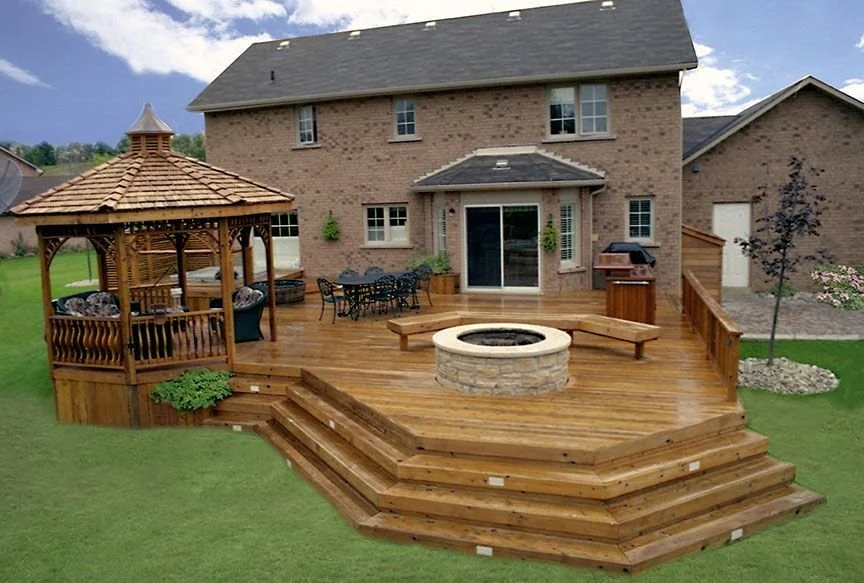
What Is a Multi Level Deck?
A multi level deck consists of two or more deck platforms built at different heights and connected by stairs or gradual transitions. This type of deck layout is ideal for managing uneven terrain, walkout basements, or yards that benefit from designated activity zones.
Multi level deck designs are also used on flat lots when homeowners want to separate dining, seating, and relaxation areas while maintaining a cohesive structure.
Benefits of a Multi Level Deck Design
Efficient Use of Outdoor Space
A multi level deck works with the natural landscape rather than against it. By adapting to elevation changes, the design minimizes grading while increasing usable outdoor living space.
Defined Functional Zones
Each deck level can serve a specific purpose, including:
Upper levels for outdoor dining or grilling
Mid-levels for seating and entertainment
Lower levels for garden access or quiet retreat areas
This zoning improves traffic flow and overall functionality.
Improved Visual Appeal
Layered deck construction adds depth and architectural interest. A well-designed multi level deck creates focal points that enhance curb appeal and complement the home’s exterior.
Strong Indoor-Outdoor Connection
Multi level decks often align with interior floor heights, patios, or basement exits, creating a smoother transition between indoor and outdoor living areas.
Important Multi Level Deck Planning Considerations
Structural Requirements
Because a multi level deck includes multiple elevations, proper load distribution is critical. Each level must be independently supported while remaining structurally connected to the overall system.
Safety and Building Code Compliance
Stair height, railing placement, and guard requirements must follow local building codes. For general planning guidance and layout examples, the multi-level deck design guide provides educational insight into common configurations and safety principles.
External reference: Multilevel Deck Design
Material Selection
Common materials include pressure-treated lumber, composite decking, and hardwoods. Composite decking is often chosen for multi level decks due to consistent appearance, durability, and reduced maintenance across multiple elevations.
Drainage and Moisture Management
Proper spacing, ventilation, and drainage help prevent moisture buildup between deck levels and extend the lifespan of the structure.
Common Multi Level Deck Layout Styles
Terraced deck designs that follow a natural slope
Split-level deck layouts with short stair transitions
Wraparound multi level decks connecting multiple access points
Each layout can be adapted to suit architectural style, landscape conditions, and intended use.
Ongoing Maintenance Considerations
Routine inspections are essential for any multi level deck, especially around stairs, fasteners, and support posts. Regular cleaning and timely repairs help maintain safety, appearance, and long-term performance.
Learning More About Deck Design and Construction
Homeowners researching deck layouts, materials, and outdoor planning concepts often explore educational resources from Jeff Woods Construction for general construction insight. Location-specific information, such as Reliable Decking Services in Crossville, can also help readers understand how terrain and climate influence deck design decisions.
Final Thoughts on Multi Level Decks
A thoughtfully planned multi level deck offers flexibility, improved space utilization, and enhanced outdoor living potential. Understanding layout options, safety requirements, and material choices allows for informed planning and long-term value.
Want to Learn More?
For general questions or additional information related to outdoor construction topics, visit the official Contact Us page to continue the discussion.
