

How Tennessee's Freeze-Thaw Cycles Silently Damage Your Roof Every Winter
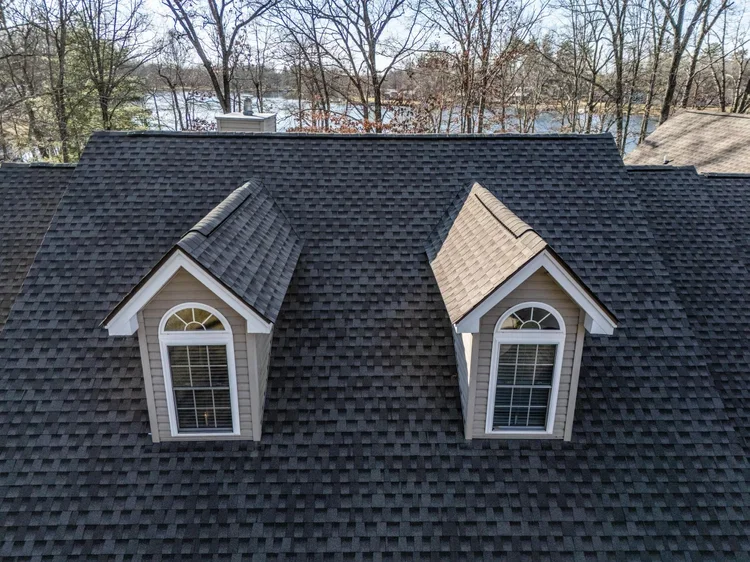
When most Tennessee homeowners think about roof damage, they picture a summer hailstorm or a fallen tree branch. Winter damage is less dramatic — but in many ways, it's more dangerous. That's because the damage caused by winter freeze-thaw cycles is slow, cumulative, and almost entirely invisible until it becomes a serious problem.
At Jeff Woods Construction & Roofing, we see the results of freeze-thaw damage on Tennessee roofs every spring. In this guide, we'll explain exactly what freeze-thaw cycles are, how they damage your roof season after season, and what you can do to protect your home before the damage compounds into something costly.
What Is a Freeze-Thaw Cycle?
A freeze-thaw cycle occurs when temperatures drop below freezing overnight and then rise above freezing during the day — causing any moisture present in or on your roofing materials to freeze, expand, and then thaw and contract again.
Tennessee sits in a climate zone where this pattern is extremely common, particularly from November through March. Unlike states further north that experience prolonged deep freezes, Tennessee often sees multiple freeze-thaw cycles in a single week — sometimes even within a single day. This repeated expansion and contraction is far more damaging to roofing materials than a sustained period of cold temperatures alone.
How Freeze-Thaw Cycles Damage Your Roof
Shingle Cracking and Splitting
Asphalt shingles contain oils that keep them flexible and watertight. As shingles age, those oils dry out — and cold temperatures accelerate this process. When shingles become brittle and then go through repeated freeze-thaw cycles, they crack and split along their surface. These cracks may be too small to see from the ground, but they're large enough for water to infiltrate beneath the shingle surface.
For a full picture of how Tennessee's climate affects different roofing materials, read our Roofing Materials Guide: Best Roof Types for Tennessee Climate
Granule Loss
The granules embedded in asphalt shingles serve a critical purpose — they protect the asphalt layer from UV radiation and physical wear. Freeze-thaw cycling loosens the bond between granules and the shingle surface, accelerating granule loss. Once granules are gone, the underlying asphalt is exposed and deterioration speeds up dramatically.
Flashing Separation
Metal flashing — the strips that seal joints around chimneys, vents, skylights, and valleys — expands and contracts at a different rate than the surrounding roofing materials. Over multiple freeze-thaw cycles, this differential movement can cause flashing to loosen, lift, or pull away from the surfaces it's sealing. Even a small gap in the flashing is enough to allow water to enter the roof system every time it rains or snow melts.
Deck Damage and Rot
When water infiltrates through cracked shingles or separated flashing and reaches the roof deck — the plywood or OSB layer beneath the shingles — it freezes inside the wood fibers during cold nights and expands. Over time, this causes the deck to delaminate, warp, and eventually rot. Deck damage is one of the most expensive consequences of ignored freeze-thaw damage because it requires replacing the structural base of the roof, not just the surface materials.
Ice Dams
Ice dams are one of the most well-known winter roofing problems — and freeze-thaw cycles are exactly what creates them. Here's how it happens: heat escaping from your home warms the upper portion of the roof, melting snow that has accumulated there. That meltwater runs down toward the eaves, which are colder because they extend beyond the heated living space. When the meltwater hits the cold eaves, it refreezes — forming a ridge of ice at the edge of the roof.
As the ice dam grows, it creates a barrier that traps additional meltwater on the roof. That standing water has nowhere to go except under your shingles — and into your home. Ice dams can cause significant interior water damage, ceiling staining, insulation saturation, and mold growth — all from a problem that started on your roof.
The Compounding Effect: Why Every Winter Makes It Worse
Here's the critical thing to understand about freeze-thaw damage: it compounds. Each winter doesn't just cause its own isolated damage — it builds on the damage from previous winters, accelerating deterioration at an increasing rate.
A small shingle crack in year one lets in a tiny amount of moisture. By year three, that crack has been widened by repeated freeze-thaw cycling, and water is regularly reaching the underlayment. By year five, the underlayment has failed in that spot and water is reaching the deck. By year seven, the deck is rotting and the damage has spread far beyond the original entry point.
This is why regular roof inspections — particularly after winter — are so important. Catching damage early, when it's still minor, is dramatically cheaper than addressing it after years of compounding. Our full guide on what to watch for and when to act is here: How to Know When It's Time to Replace Your Roof: A Tennessee Homeowner's Guide
Signs Your Roof Has Freeze-Thaw Damage
After a Tennessee winter, here are the warning signs to look for:
On the roof surface:
Cracked, curled, or missing shingles
Bare patches where granules have washed away — check your gutters for granule accumulation
Lifted or separated flashing around chimneys, vents, or in valleys
Sagging or uneven roof surface
Ice dam staining along the eaves — dark watermarks along the lower edge of the roofline
Inside the home:
Water stains on ceilings or the tops of walls
Musty smell in the attic after temperatures warm up
Wet or compressed insulation in the attic
Frost or condensation on the underside of the roof deck in cold weather
If you notice any of these signs, don't wait for spring to get it checked out. The freeze-thaw cycle is still active, and every additional cycle is adding to the damage already present.
How to Protect Your Roof From Freeze-Thaw Damage
The good news is that freeze-thaw damage is largely preventable with the right roofing system and proper maintenance habits. Here's what makes the biggest difference:
Start With Quality Materials
Not all roofing materials handle freeze-thaw cycling equally. High-quality architectural shingles with strong flexibility ratings hold up significantly better than lower-grade products. If your roof is due for replacement, choosing materials specifically suited to Tennessee's climate is one of the best investments you can make.
Ensure Proper Attic Insulation and Ventilation
Ice dams are largely a symptom of poor attic insulation and ventilation. When your attic is properly insulated, less heat escapes through the roof deck — meaning the roof surface stays more uniformly cold and snow melts evenly rather than creating the temperature differential that leads to ice dams. Proper ventilation also helps regulate attic temperature and moisture levels year-round.
Maintain Your Flashing
Flashing is the most freeze-thaw-vulnerable component of your roof. Having your flashing inspected and resealed periodically — particularly around chimneys and skylights — is one of the most cost-effective maintenance steps you can take.
Get an Annual Roof Inspection
The single most effective thing you can do to protect your roof from cumulative freeze-thaw damage is to have it professionally inspected at least once a year — ideally in late winter or early spring when the full extent of the season's damage is visible. Early detection means minor repairs instead of major ones.
For a complete maintenance plan built for Tennessee's climate, read: Roof Maintenance Guide for Tennessee Homes
Consider a Roof Replacement if Your Roof Is Aging
If your roof is more than 15–20 years old, its ability to withstand freeze-thaw cycling is significantly diminished. Older shingles have lost much of their flexibility and oil content, making them far more vulnerable to cracking and splitting during temperature swings. At this stage, continuing to repair rather than replace may actually cost more in the long run. Read more about this decision: Roof Repair or Replacement: How to Make the Right Choice for Your Home
When to Get Your Roof Checked After Winter
Timing your post-winter inspection right matters. Too early — while freeze-thaw cycles are still occurring — and some damage may not yet be fully visible. Too late — deep into summer — and you've given spring rain a chance to compound existing damage further.
The ideal window for a post-winter roof inspection in Tennessee is late February through April — after the worst of the freeze-thaw cycling has passed but before the heavy spring storm season begins. This gives you maximum visibility into winter damage and maximum time to address it before the next round of severe weather arrives.
Roofing Services Across Tennessee
At Jeff Woods Construction & Roofing, we provide professional roof inspections, repairs, and full replacements throughout Tennessee. Whether you're in Crossville, Cookeville, Knoxville, Farragut, Clarkrange, Fairfield Glade, Jamestown, Harriman, Kingston, Livingston, Loudon, Monterey, Sparta, Lake Tansi, Oak Ridge, Crab Orchard, or Rockwood — our team is ready to assess your roof and make sure it's ready for whatever the next season brings.
Visit our Roof Installation in Tennessee and Roof Leak Detection & Repair in Tennessee pages to learn more about our services in your specific area.
Don't Let Another Winter Catch Your Roof Off Guard
Freeze-thaw damage is silent, cumulative, and entirely preventable with the right attention. The homeowners who avoid major roofing expenses aren't lucky — they're proactive. A simple annual inspection costs a fraction of what a deck replacement, structural repair, or interior water damage remediation will set you back.
If you haven't had your roof inspected since last winter, now is the time. Let's find out where things stand before the next cold season begins.
Ready to Protect Your Roof This Winter?
The team at Jeff Woods Construction & Roofing is here to help you stay ahead of freeze-thaw damage with professional inspections, honest assessments, and quality repairs and replacements built to last Tennessee winters.
