

Can You Layer New Shingles Over Old Ones? Here’s the Structural Truth
When it comes to roof replacement, many homeowners wonder if they can simply add new shingles over existing ones. At Jeff Woods Construction & Roofing, we frequently get asked this question because it seems like a faster, cheaper solution. However, the reality is more complex. Understanding the structural implications of layering shingles is essential to avoid leaks, deck damage, and premature roof failure.
The focus is not just on appearance—structural integrity matters most. This article reveals the truth about layering new shingles over old ones and why professional evaluation is critical.
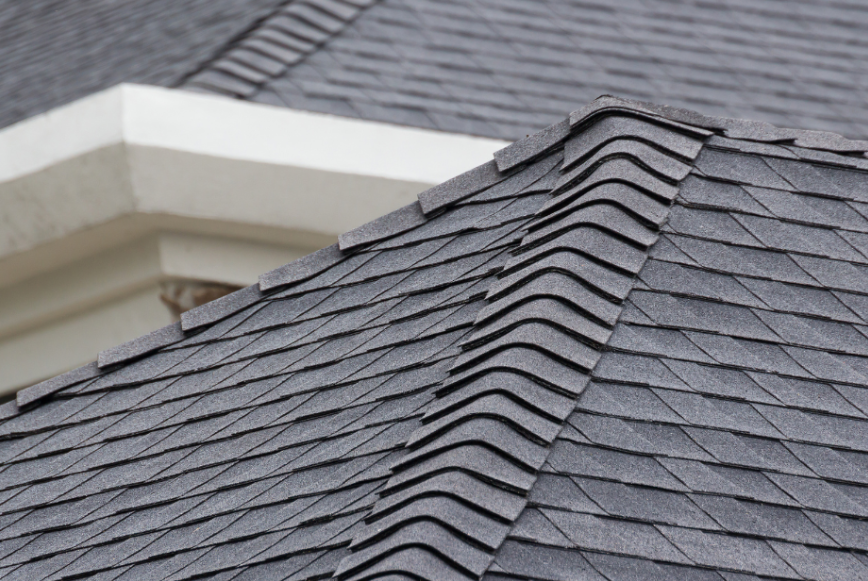
How Layering Shingles Affects Roof Structure
Adding shingles over old layers increases weight on the roof deck. While one additional layer may be allowable in some cases, exceeding the manufacturer or building code limit can stress the structure. Excess weight can lead to:
Sagging or warped decking
Nail penetration issues
Reduced lifespan of both layers
Increased risk during heavy snow or storms
This is why homeowners often underestimate the risks, making this the structural truth about layering shingles.
The Problem with Hidden Damage
Old shingles may conceal problems that new layers can’t fix, including:
Rot or weakened decking
Water damage under shingles
Improper ventilation
Previous flashing failures
Covering existing shingles without inspection can trap moisture, accelerate decay, and void manufacturer warranties. For a detailed discussion, see Can You Put New Shingles On Top of Old Ones? | Findlay Roofing.
Many contractors emphasize that inspecting and repairing the deck first is critical to a long-lasting roof.
Building Codes and Manufacturer Guidelines
Most local building codes allow only one overlay. Exceeding this can create compliance issues and affect insurance claims. Shingle manufacturers also often void warranties if shingles are layered improperly. For these reasons, layering shingles over old ones should never be assumed as a risk-free solution.
When Layering Might Be Acceptable
In some limited scenarios, adding one new layer over old shingles may be acceptable if:
The old shingles are in excellent condition
The roof deck is solid and code-compliant
Ventilation and flashing are properly installed
Local building codes allow it
Even then, professional inspection is essential. At Check our Roofing Services, we guide homeowners on safe roofing practices and determine the best approach for each property.
Why Removal is Often the Better Option
While overlaying may save time and money upfront, full removal of old shingles offers benefits that layering cannot:
Identifies hidden damage
Ensures proper flashing and ventilation
Extends the lifespan of new shingles
Reduces long-term maintenance costs
Understanding this helps homeowners make informed choices. Ignoring these factors can lead to structural problems and costly repairs down the road.
Signs You Should Avoid Layering
Layering is particularly risky if:
Multiple layers already exist
Shingles are curling, cracking, or missing
The roof has a history of leaks or repairs
Local climate has heavy snow or wind loads
Professionals stress that overlooking these warnings can compromise roof safety and durability, proving that the structural truth about layering shingles is more critical than it seems.
Protecting Your Roof Investment
Roof replacement is a major investment. Simply layering new shingles over old ones may save time, but ignoring structural issues can cost much more in the long run. For a thorough evaluation and proper installation, trust Jeff Woods Construction & Roofing. Our experts ensure every roof is inspected, repaired, and installed according to code and manufacturer standards.
Schedule a Professional Roof Inspection
Avoid costly mistakes and protect your home. Visit Contact Us to schedule an assessment and see how Jeff Woods Construction & Roofing ensures roofs are safe, durable, and properly installed.
