

Complete Guide to Roof Repair in Tennessee
A strong and reliable roof is essential for protecting your home from Tennessee’s changing weather conditions. From heavy rain and strong winds to summer heat and seasonal storms, roofs across the state face constant wear and tear. When damage occurs, timely roof repairs can prevent small problems from becoming expensive structural issues.
At Jeff Woods Construction & Roofing, homeowners across Tennessee rely on experienced professionals to identify roof damage and provide effective repair solutions designed for long-term durability.
Homeowners searching for professional roofing services in Tennessee can benefit from working with contractors who understand the local climate and the types of roofing systems commonly used throughout the region.
This guide explains the most common causes of roof damage, how to identify repair needs early, and when homeowners should consider professional roof repair services.
What Is Roof Repair?
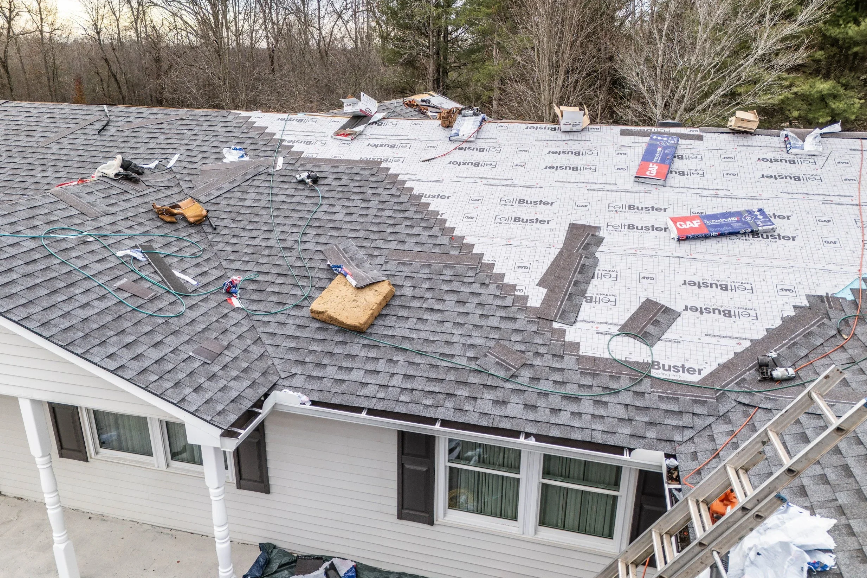
Roof repair involves fixing specific areas of damage while preserving the overall structure of the roof. Repairs are often recommended when damage is limited to a small section of the roofing system.
Common roof repair tasks include:
replacing damaged shingles
repairing roof leaks
fixing flashing around vents or chimneys
sealing small cracks or gaps
replacing damaged roof decking
If damage becomes widespread or the roof is nearing the end of its lifespan, a full replacement may be necessary. Homeowners can learn more by reviewing the complete guide to roof replacement in Tennessee.
Common Causes of Roof Damage
Roofs in Tennessee face several environmental factors that can cause damage over time.
Storm Damage
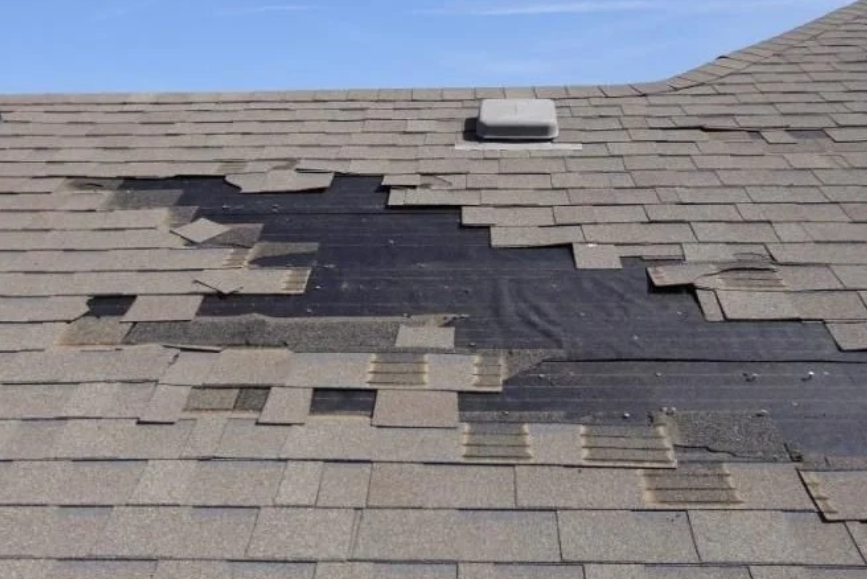
Severe storms are one of the leading causes of roof damage. High winds can lift shingles, while hail and heavy rain can weaken roofing materials.
Homeowners concerned about weather-related damage should review the storm damage roofing guide for Tennessee homeowners to understand the warning signs after severe weather.
Aging Roofing Materials
Over time, roofing materials naturally deteriorate due to exposure to sunlight, temperature changes, and moisture.
Older roofs often experience:
brittle shingles
granule loss
cracking or curling
When roofing materials begin to deteriorate significantly, repair may no longer be the most cost-effective solution.
Poor Roof Ventilation
Improper attic ventilation can trap heat and moisture inside the roof structure, which accelerates material deterioration and weakens roofing components.
Proper ventilation is essential for extending roof lifespan.
Debris and Tree Damage
Falling branches and accumulated debris can damage roofing materials or clog gutters, leading to moisture buildup and leaks.
Regular maintenance can help prevent these issues.
Signs Your Roof Needs Repair
Identifying roofing problems early can prevent more serious structural damage.
Water Leaks Inside the Home
Water stains on ceilings or walls often indicate a roof leak that requires immediate attention.
Leaks should be inspected as soon as possible to prevent mold growth and insulation damage.
Missing or Damaged Shingles
Strong winds can loosen or remove shingles, exposing the underlying roof structure to moisture.
Damaged shingles should be replaced quickly to prevent leaks.
Granules in Gutters
Asphalt shingles contain protective granules that gradually wear away over time. Excessive granule buildup in gutters may indicate the roof is deteriorating.
Sagging Roof Areas
A sagging roof may indicate structural issues beneath the surface and should be evaluated by a professional contractor.
The Roof Repair Process
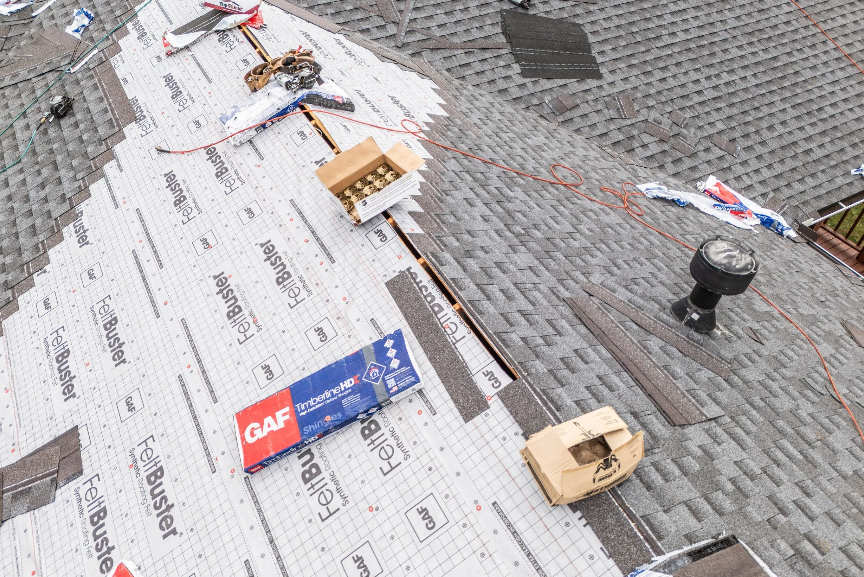
Professional roof repair typically involves several steps to ensure the problem is properly addressed.
Step 1: Roof Inspection
Roofing professionals inspect the roof to identify visible damage and potential structural issues.
Step 2: Identifying the Source of the Problem
Contractors locate the exact source of leaks or damage to determine the best repair approach.
Step 3: Repairing Damaged Areas
Depending on the issue, repairs may include replacing shingles, sealing flashing, or repairing structural components.
Step 4: Final Inspection
After repairs are completed, the roof is inspected to confirm the problem has been resolved.
Roof Repair vs Roof Replacement
One of the most common questions homeowners ask is whether repair or replacement is the better option.
Roof repair is typically recommended when:
damage is limited to small areas
the roof is relatively new
the overall structure remains strong
However, if damage is widespread or the roof is nearing the end of its lifespan, replacement may be the better investment.
The complete guide to roof replacement in Tennessee explains when replacement becomes necessary.
Preventing Future Roof Damage
Preventative maintenance is one of the most effective ways to extend the life of your roof.
Homeowners should:
schedule annual roof inspections
clean gutters regularly
remove debris from the roof
repair small issues immediately
Routine maintenance is explained in more detail in the roof maintenance guide for Tennessee homes.
Understanding Roofing Materials
Different roofing materials require different repair techniques and maintenance practices.
Some materials are more durable than others, especially in Tennessee’s climate. Homeowners can explore available options in the roofing materials guide: best roof types for Tennessee climate.
Final Thoughts
Roof repairs are an important part of protecting your home and maintaining its long-term structural integrity. Addressing roofing problems early helps homeowners avoid costly damage and extend the lifespan of their roofing system.
By understanding the common causes of roof damage and recognizing early warning signs, homeowners can take proactive steps to keep their roofs in excellent condition.
Get Professional Roofing Help
If you notice signs of roof damage or suspect your roof may need repairs, professional inspection and repair services can help protect your home.
Contact Us today to schedule a roof inspection with experienced roofing professionals.
